

Exploring the Pioneers of Cleaning Technology
Today, we’re diving into a fascinating chapter of cleaning technology history: the invention of the vacuum cleaner in 1899. Whether you’re a cleaning enthusiast or simply curious about how this essential household tool came to be, you’re in the right place. Let’s explore the pioneers and innovations that shaped the vacuum cleaner we know today.
The Birth of the Vacuum Cleaner
The late 19th century was a time of remarkable innovation. Among the myriad of inventions, the vacuum cleaner stood out as a transformative tool for maintaining cleanliness in homes and businesses. But who exactly was behind this revolutionary appliance?
Hubert Cecil Booth: The Pneumatic Pioneer
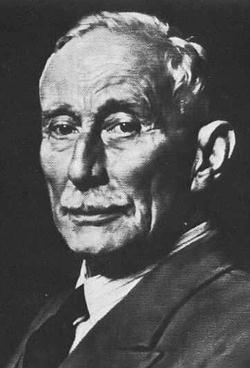
Sir Hubert Cecil Booth is often credited with inventing the first powered vacuum cleaner. In 1901, Booth unveiled his invention at the International Electrical Exhibition in London. His pneumatic cleaner was a large, horse-drawn machine that used suction created by a gasoline engine. Booth’s design was groundbreaking, leveraging technological advancements of his time to create a powerful and effective cleaning tool.
Booth’s vacuum cleaner was not only a marvel of engineering but also represented a significant shift from manual cleaning methods. His innovation laid the foundation for future developments in vacuum cleaner technology.
John S. Thurman: The Early Innovator
Before Booth, John S. Thurman made notable contributions to vacuum cleaner development. In the early 1890s, Thurman created a machine called the “thorough washer,” which combined dust removal with washing capabilities. Although not a vacuum cleaner in the modern sense, Thurman’s invention showcased the potential for mechanical cleaning solutions.
Thurman’s work highlighted the growing need for more efficient cleaning methods, setting the stage for more specialized inventions like Booth’s pneumatic cleaner.

Corinne Dufour: A Pioneer Female Inventor
In 1899, Corinne Dufour patented an early version of the vacuum cleaner. Dufour’s design was unique for its time, incorporating a hand-operated pump and a fabric bag to collect dust. Her invention was portable, making it easier for households to maintain cleanliness without relying solely on manual labor.
Dufour’s contributions are often overshadowed by her male counterparts, but her innovative spirit played a crucial role in the evolution of vacuum cleaner technology.
David T. Kenney: The Modern Vacuum Cleaner
Following Booth and Dufour, David T. Kenney further refined vacuum cleaner technology in the early 20th century. In 1907, Kenney invented the first portable electric vacuum cleaner, eliminating the need for horse-drawn machinery or hand pumps. His design featured a motorized unit with interchangeable parts, making it more user-friendly and adaptable to various cleaning needs.
Kenney’s advancements paved the way for the modern vacuum cleaners we use today, emphasizing portability, efficiency, and ease of use.
The Evolution of Early Vacuum Cleaners
The journey from early vacuum cleaners to the sophisticated models we rely on now is a fascinating one. Each inventor built upon the successes and learnings of those before them, leading to continuous improvements and innovations.
Patents and Innovations
Throughout the late 19th and early 20th centuries, numerous patents were filed for vacuum cleaner designs. These patents reflect the ingenuity and creativity of inventors striving to perfect the appliance. Innovations such as motorized suction, interchangeable parts, and portable designs were all significant milestones in vacuum cleaner history.
From Pneumatic to Powered Vacuum Cleaners
The transition from pneumatic (air-driven) to powered vacuum cleaners marked a significant turning point. Pneumatic cleaners, like Booth’s, were effective but cumbersome due to their size and reliance on external power sources. The advent of electric-powered vacuums made the machines more accessible and practical for everyday use.
Powered vacuum cleaners were lighter, more efficient, and easier to operate, leading to widespread adoption in homes and businesses alike. This shift also spurred further technological advancements, enhancing performance and user convenience.
How Vacuum Cleaners Changed Cleaning
The invention of the vacuum cleaner revolutionized the way we maintain cleanliness in our environments. Here’s how these early innovations have impacted modern cleaning practices:
Efficiency and Effectiveness
Vacuum cleaners drastically reduced the time and effort required for cleaning. What once took hours of manual labor could now be accomplished in a fraction of the time with minimal exertion. This efficiency allowed people to maintain cleaner living and working spaces with less hassle.
Health and Hygiene
By effectively removing dust, allergens, and other particles, vacuum cleaners played a crucial role in improving indoor air quality. This was especially important in urban areas where pollution levels could be high. Cleaner environments contributed to better health and hygiene standards, benefiting society as a whole.
Technological Advancements
The success of early vacuum cleaners spurred ongoing research and development. Innovations such as bagless designs, HEPA filters, cordless models, and smart technology have continued to enhance the functionality and convenience of vacuum cleaners. Today, we have a diverse range of models tailored to various cleaning needs and preferences.
Vacuum Cleaner Museum: Preserving the Legacy
At John’s Sweeper Service & Vintage Vacuum Museum, we take pride in showcasing the rich history of vacuum cleaner technology. Our collection includes early models like Booth’s pneumatic cleaner and Dufour’s hand-operated vacuum. These exhibits not only highlight the ingenuity of their inventors but also illustrate the evolution of cleaning technology over the years.
Visiting our museum offers a unique opportunity to learn about the milestones in vacuum cleaner history and appreciate the innovations that have shaped our daily lives. Whether you’re a history buff or simply passionate about cleaning, our museum has something for everyone.

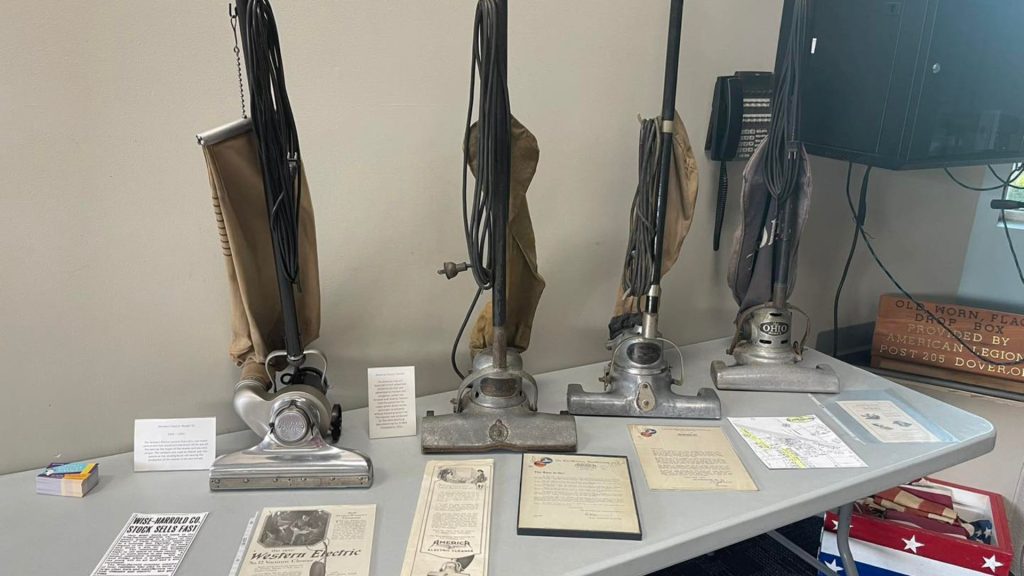
Explore More About Vacuum Cleaners
Interested in learning more about the fascinating world of vacuum cleaners? Our website is packed with valuable information to help you choose the right vacuum cleaner for your home or business.
Why Choose John’s Sweeper Service?
At John’s Sweeper Service, we’re not just passionate about vacuum cleaners—we’re committed to providing top-notch services and products to our community in Dover, Ohio, and surrounding areas. Whether you’re looking to buy or rent a vacuum for your home or business, we offer a wide range of options tailored to your needs.
Our Services Include:
- Repair: Keep your vacuum cleaner in optimal condition with our expert repair services.
- Sales: Choose from a diverse selection of residential and commercial vacuum cleaners.
- Parts & Supplies: Find high-quality parts and supplies to maintain your cleaning equipment.
- Consultation: Get personalized advice to select the best vacuum cleaner for your specific requirements.
Visit our Services page to learn more about how we can help you keep your spaces clean and spotless.
FAQs
Who invented the vacuum cleaner?
The vacuum cleaner was developed by several inventors over time. Hubert Cecil Booth is often credited with inventing the first powered vacuum cleaner in 1901. However, earlier contributions by John S. Thurman, Corinne Dufour, and David T. Kenney were also pivotal in shaping vacuum cleaner technology.
What was the first vacuum cleaner like?
The first vacuum cleaners were large, powered by gasoline engines or hand-operated pumps, and used fabric bags to collect dust. These early models were cumbersome but marked significant advancements in cleaning technology.
How has the vacuum cleaner evolved since 1899?
Since 1899, vacuum cleaners have evolved from large, stationary machines to portable, electric-powered devices. Innovations include bagless designs, advanced filtration systems, cordless models, and smart technology integration, enhancing efficiency and user convenience.
Why are early vacuum cleaners important?
Early vacuum cleaners laid the groundwork for modern cleaning technology. The innovations and lessons from these initial designs have driven continuous improvements, making today’s vacuum cleaners more effective, efficient, and user-friendly.
Can I visit the Vintage Vacuum Museum?
Absolutely! We invite you to visit John’s Sweeper Service & Vintage Vacuum Museum in downtown Dover, OH. Explore our extensive collection and learn about the rich history of vacuum cleaners. Check our Vacuum Museum page for more details and visiting hours.
Summary
The invention of the vacuum cleaner in 1899 was a pivotal moment in cleaning technology history. Pioneers like Hubert Cecil Booth, John S. Thurman, Corinne Dufour, and David T. Kenney each contributed to the development of this essential appliance. Their innovations transformed how we maintain cleanliness, making our lives easier and environments healthier.
At John’s Sweeper Service & Vintage Vacuum Museum, we celebrate these achievements and continue to support the community with top-quality vacuum cleaning solutions. Whether you’re a history enthusiast or in need of reliable vacuum services, we’re here to help. Explore our website, visit our museum, and let us assist you in finding the perfect vacuum cleaner for your needs.
Stay tuned for more exciting articles on the history and advancements in vacuum cleaner technology. Happy cleaning!
Related reading: T-County Carpet Cleaner Rental Cost